STEM Classroom Design: How to Create a Space That Sparks Innovation
In the STEM classroom, students are encouraged to work as part of a team, think critically, experiment, and solve real-world problems. And one of the main components that makes this type of learning possible is the physical environment. When learning spaces support movement and leave room for creativity and hands-on exploration, students are more engaged and better equipped to build the skills they’ll use throughout their education and into future careers.
Beyond developing skills, the right environment also helps students begin to see themselves as scientists, engineers, mathematicians, and innovators. That sense of STEM identity, the belief that “I am someone who can do this,” can be just as transformative as any lesson plan.
Thoughtfully designed STEM spaces intentionally promote curiosity and collaboration. From flexible layouts to accessible materials, the way a classroom is arranged can either limit learning or unlock it. The good news is that creating a STEM-ready classroom doesn’t require a full renovation or unlimited resources.
With intentional planning, any classroom can become a dynamic STEM space. By focusing on how students move, collaborate, explore, and feel within the environment, educators can transform everyday classrooms into places that spark innovation, grow confidence, and nurture a lasting sense of STEM identity in every learner.
What Makes a Classroom STEM-Ready?
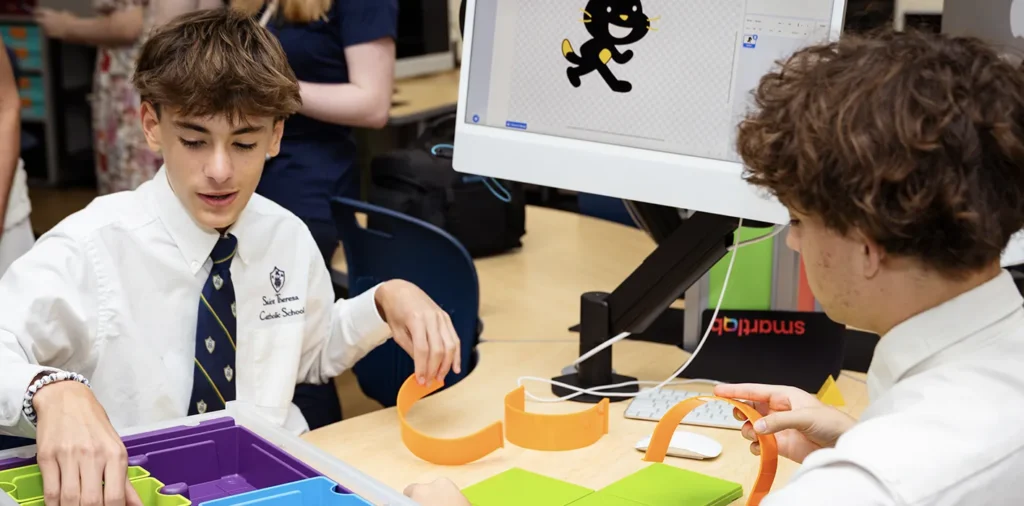
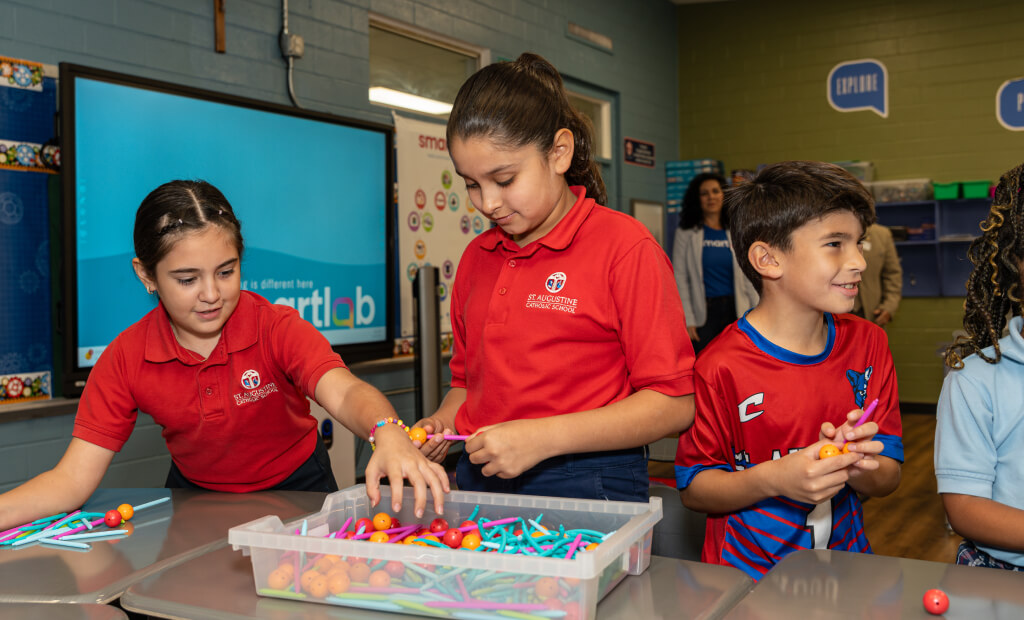
A STEM-ready classroom is designed with intention. It’s a space that supports hands-on learning, inquiry, collaboration, and problem-solving versus passive instruction. In these environments, students are encouraged to ask questions, test ideas, work together, and learn through trial and error.
Thoughtful classroom design plays a major role in making this kind of learning possible. When students can move freely, access materials independently, and collaborate, it’s easier for them to fully engage with lessons and take creative risks. These opportunities also help develop critical 21st-century skills — such as communication, adaptability, and critical thinking — that students will carry with them throughout their education and, later, into the workforce.
To create a classroom that fully supports STEM learning, it helps to focus on four key design pillars:
1. Layout That Encourages Collaboration and Movement
In a STEM-ready classroom, the layout should work with students, not against them. Unlike traditional rows of desks, STEM-focused layouts prioritize flexibility, movement, and teamwork. The goal is to make it easy for students to collaborate on projects, shift between activities, and engage in hands-on problem-solving without constant disruption.
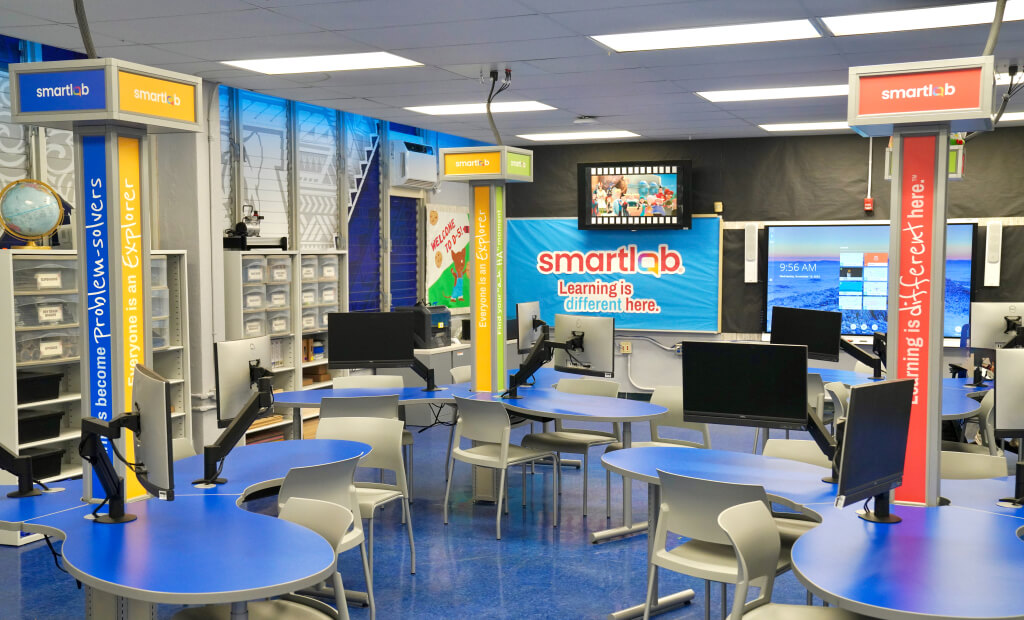
- Start with modular furniture. Rolling desks, lightweight tables, and stackable chairs allow for quick reconfiguration of the space from lesson to lesson. Whether students are coding, working in pairs to build prototypes, or participating in whole-class discussions, when furniture can easily adapt, instruction can too.
- Arranging tables in clusters or pods naturally supports collaboration. Small-group activities encourage peer-to-peer learning, idea sharing, and collective problem-solving — all hallmarks of STEM instruction. These setups also make it easier for teachers to observe and support students who need help.
- Open space is equally important. Leaving portions of the floor clear gives students room to build, test, and iterate, especially during engineering challenges, robotics activities, or design thinking exercises. Open areas send the message to students that movement and exploration are encouraged.
2. Activity Zones to Support Different STEM Tasks
A well-designed STEM classroom supports many different types of learning happening at once. Creating activity zones helps students understand how to use the space, transition smoothly between tasks, and stay focused on their goals. Each of the following zones serves a clear purpose while still allowing for flexibility as projects progress:
- The build zone is where ideas come to life. Stock the build zone with robotics kits, engineering materials, cardboard, connectors, and tools for construction. Sturdy tables and easy-to-clean surfaces are key, along with nearby storage so students can grab what they need without interrupting their workflow.
- The tech zone supports digital exploration and creation. This area might include tablets, laptops, coding robots, or a smartboard for demonstrations and group instruction. Keep charging stations and power access close by so devices are always ready to use, and consider headphone storage for focused or independent work.
- Not all STEM work is hands-on; thinking, planning, and reflecting all matter just as much. A think zone can include whiteboards, brainstorming walls, sketching materials, sticky notes, and seating that encourages conversation. This space is ideal for design planning, troubleshooting, and collaborative problem-solving.
- For science-based exploration, an experiment zone provides room for testing and observation. Simple lab tools, measurement instruments, and materials for demonstrations fit well here. Cleanable surfaces and clear safety expectations help students experiment confidently and responsibly.
3. Organization to Keep Tools Readily Accessible
Even the most thoughtfully designed STEM classroom can fall into disarray without a smart storage and organization strategy. When materials are easy to find, return, and manage, students spend more time learning and less time waiting for what they need.
- Clear, labeled bins are a simple but effective solution. Transparent containers let students see what’s inside at a glance, while labels like “wires” or “motors” help them quickly confirm the container’s contents. This also reinforces vocabulary learned in class while encouraging the development of organization skills.
- Mobile storage options work well for flexible classroom spaces. Solutions such as rolling carts or cubbies can act as movable STEM centers that shift between zones or groups depending on the activity. When supplies move with the lesson, the space stays adaptable without becoming cluttered.
- Vertical storage helps maximize limited square footage. Wall-mounted pegboards, magnetic strips, or hanging organizers keep tools visible and within reach while freeing up much-needed table space. This approach is especially useful for frequently used items such as scissors, rulers, and hand tools.
- Creativity is key — especially for classrooms without closets or built-in storage. Under-table bins, stackable drawers, over-the-door organizers, or shared storage walls can all provide practical solutions without major renovations.
4. An Atmosphere That Inspires Curiosity and Belonging
The atmosphere of a STEM classroom sends powerful signals to students about belonging, what’s valued, and how learning happens. Beyond furniture and storage, thoughtful visual and sensory design can spark curiosity, encourage risk-taking, and help every student feel welcome.
- Let student work take center stage. Displaying in-progress builds, sketches, prototypes, and reflections celebrates effort over perfection and reinforces the idea that learning is a process. When students see their ideas valued on the walls, they’re more likely to be invested in their work.
- Representation matters. Decorating with posters, quotes, and visuals that feature diverse scientists, engineers, and innovators helps students see themselves in STEM fields. Including a range of backgrounds, cultures, and identities reinforces that STEM is for everyone.
- Messaging helps shape how students approach challenges. Inquiry-based prompts like “What happens if…?” or “How could we improve this?” encourage exploration and resilience. These messages subtly remind students that mistakes and iteration are a natural part of learning.
- Don’t overlook color and lighting. Bright, energizing colors can boost the mood in the classroom, while softer tones support focus and calm. Natural light is ideal when possible, but adjustable lighting or lamps can also help define zones and create a more inviting environment.
Integrating Technology Into the Space
As a central part of STEM learning, technology is most effective when thoughtfully integrated into the classroom design. Rather than feeling bolted on or placed in areas that disrupt flow, tech should be easy to access and maintain and aligned with how students interact with the space.
To that end, power access should be a top priority. Place charging stations, power strips, and extension cords near tech zones to avoid tangling and tripping hazards. Wall-mounted or cart-based charging solutions are a great way to keep devices organized and ready for use throughout the day. Position interactive whiteboards and projection tools where all students can easily see them and participate in full-class discussions, and ensure there’s enough open space nearby for follow-up activities.
For frequently used devices, such as tablets, laptops, and coding robots, storage matters as much as access. Designated shelves, bins, or carts help students quickly grab what they need and return devices safely when finished. Clearly established systems also protect valuable equipment, reducing downtime as a result of being misplaced or damaged.
Activity zones also play a part in technology integration, with designated tech stations supporting rotation-style learning. Small groups can cycle through coding, research, or simulation activities while others work in the build or think zones. This approach enables technology to enhance learning without dominating the entire room.
Making STEM Classroom Design Inclusive
The most effective STEM classrooms are designed so all students can participate fully. That means anticipating diverse needs and removing barriers before they have a chance to impact learning. Designing with ADA requirements in mind, such as wide, unobstructed pathways, accessible work surfaces, and flexible seating options ensures students of all abilities can move through the space, work comfortably, and focus their energy on learning instead of working around a classroom’s physical limitations.
Representation also plays an important part in how students experience a STEM environment. The visuals, examples, and materials used in the classroom shape students’ sense of belonging and possibility. When learners see scientists, engineers, and inventors who look like them reflected in the environment and learning materials, STEM becomes a more attainable option.
Inclusive STEM embraces universal design principles that support multiple ways of learning. Clear visual cues, hands-on materials, and opportunities for choice enable students to engage in ways that align with their strengths. When classrooms are intentionally designed to be flexible, accessible, and welcoming, students gain confidence and see themselves as capable contributors to STEM learning.
Designing STEM Classrooms That Inspire Innovation
Thoughtful STEM classroom design has the potential to transform how students learn, work, and see themselves as problem-solvers. With intentional planning, any classroom can become a space where curiosity thrives and innovation becomes possible.
The most effective STEM environments are defined by how well the space supports hands-on exploration, student choice, collaboration, and 21st-century skills development. And when the physical environment aligns with instructional goals, students are more apt to be engaged, confident, and willing to take creative risks.
If you’re looking for inspiration — or want to see what intentional STEM classroom design looks like in action — schedule a SmartLab visit to experience it firsthand. Seeing a fully realized STEM learning environment is a great way to spark ideas and help you envision what’s possible in your own space.