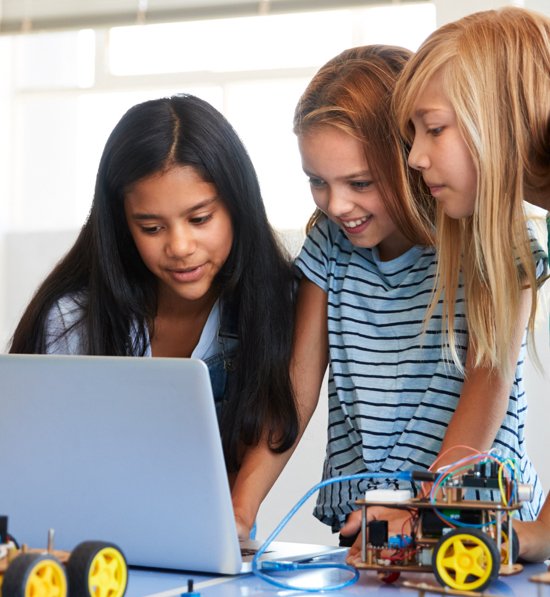
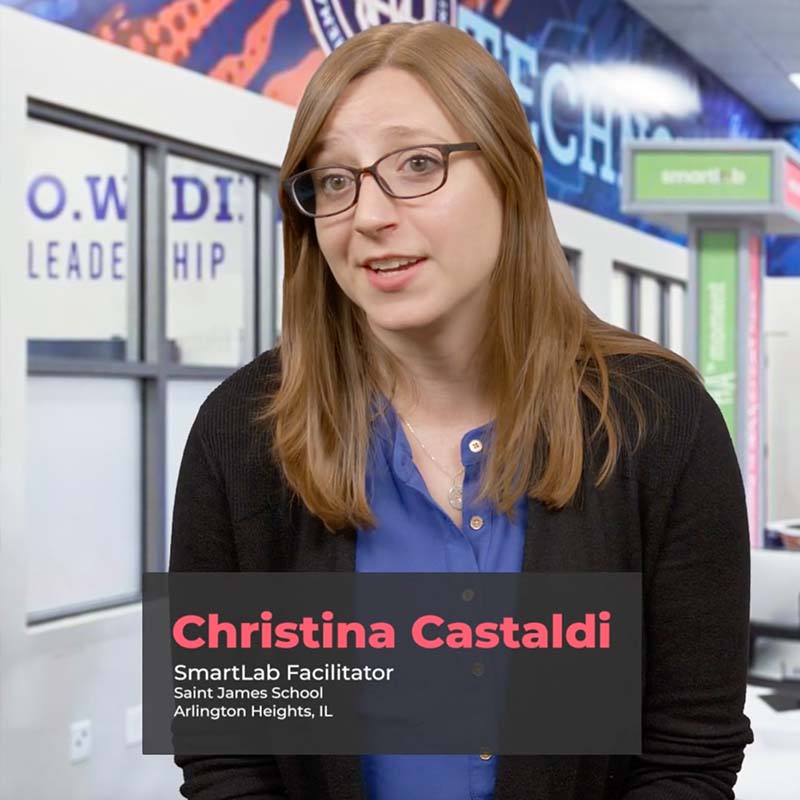
Student engagement is at levels I have never seen in my 23 years of teaching. Students love the lab and are constantly asking if they can come down in their free time to continue working with Ukits, or Engino, etc. I’ve never been busier as a teacher, but also have never had more fun. It’s encouraged me to gladly take work home and get more proficient in areas such as coding and circuitry. I see myself as a lifelong learner, and this lab not only meets the needs of my students but also fulfills my own growth as a facilitator and person. I appreciate my administration for investing in this lab and appreciate SmartLab for offering such an incredible product!!!
Health Sciences
The future of the Health Sciences career pathway is rapidly evolving, largely driven by technological advancements and an aging population. These factors make STEM (Science, Technology, Engineering, and Mathematics) essential for preparing students for a wide range of careers in healthcare, from clinical practice to medical research and healthcare technology. Early exposure to the Health Sciences career pathway is crucial for inspiring a new generation of healthcare professionals, promoting wellness, and encouraging students to make meaningful contributions to society.
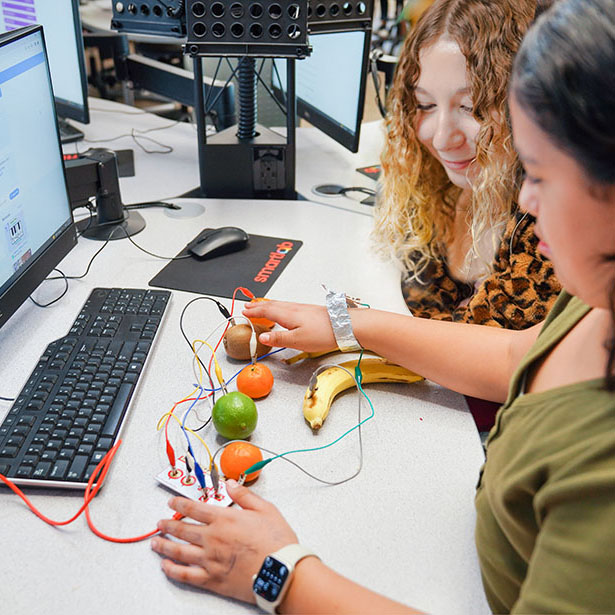
Early exposure to the Health Sciences career pathway benefits students
By introducing them to the diverse roles, STEM connections, and human-centered aspects of the healthcare field, we equip them with the knowledge and skills to make informed decisions about their futures—while fostering empathy, critical thinking, and a passion for helping others.
Inspiring Future
Healthcare Workers
Exposing students to Health Sciences early helps spark an interest in healthcare-related careers, which are in high demand globally. This early exposure can inspire a passion for careers such as doctors, nurses, biomedical engineers, therapists, and medical researchers, ultimately helping to meet the growing need for healthcare professionals.
Building
Scientific Literacy
The Health Sciences pathway provides a perfect opportunity to introduce students to biological sciences, anatomy, physiology, and the human body. Learning about how the body functions and how medicine works encourages scientific literacy from a young age. This foundational knowledge promotes critical thinking and fosters curiosity about how science impacts personal health and the health of others.
Encouraging Empathy and Social Responsibility
Healthcare is not just about medical skills—it’s also about compassion, empathy, and a desire to help others. Learning about Health Sciences helps young students develop an understanding of how healthcare professionals contribute to society by improving lives, fighting diseases, and promoting well-being. This fosters empathy and a sense of social responsibility, encouraging students to think about ways they can make a difference.
Promoting Wellness and Healthy Habits
Introducing Health Sciences early also promotes a better understanding of personal health and well-being. Students learn about the importance of nutrition, exercise, mental health, hygiene, and preventive healthcare, which can shape their own health habits and help them make informed decisions throughout their lives.
Solving Real-World Problems
Health Sciences provide an early introduction to problem-solving in real-world contexts, such as how to fight pandemics, cure diseases, and address health disparities. Engaging students in these types of conversations encourages them to think critically and creatively about global health challenges, and how they might contribute to solving them in the future.
Broadening Career Perspectives
Many students might only be familiar with traditional healthcare roles like doctors and nurses, but early exposure to the Health Sciences pathway can open their eyes to a broad array of careers. Fields like biomedical engineering, public health, pharmacy, occupational therapy, medical research, and healthcare management offer diverse career options that they may not have considered otherwise.
The U.S. Bureau of Labor Statistics (BLS) projects that healthcare-related occupations will grow by 13% from 2021 to 2031, much faster than the average for all occupations, adding about 2 million new jobs . The increase in demand for healthcare services is fueled by the aging population and the rise in chronic conditions, leading to an urgent need for professionals in fields such as nursing, medical technology, and biotechnology.
Medical technology, including telemedicine, robotic surgery, and personalized medicine, is becoming increasingly significant, creating new roles for health informatics specialists, biomedical engineers, and data scientists. The field of biotechnology is also expanding, with advances in areas such as gene editing, pharmaceuticals, and medical devices, further emphasizing the need for STEM-based knowledge.
Key skills built through STEM with Health Sciences
STEM fields are deeply intertwined with health sciences, particularly in areas such as medical research, diagnostics, and healthcare technology. Some specific areas where STEM plays a vital role in the future of healthcare include:
Critical Thinking and Problem-Solving
Healthcare professionals must analyze complex medical data, research findings, and patient conditions to develop effective treatments. STEM education enhances these abilities by teaching students how to approach problems methodically and scientifically.
Technical Literacy
Proficiency with emerging healthcare technologies, such as electronic health records (EHRs), medical imaging devices, and robotics, requires a solid background in technology and engineering. Understanding and managing these tools are increasingly important in health science careers.
Collaboration and Communication
STEM education encourages teamwork, which is essential in healthcare, where interdisciplinary teams (including doctors, nurses, engineers, and researchers) collaborate to deliver patient care.
Adaptability to Innovation
The health sciences field is continually evolving, with new technologies and treatments being developed rapidly. STEM education teaches students to be adaptable, learn new technologies, and apply scientific principles to cutting-edge healthcare solutions.
Hear from our happy clients.

“SmartLab Learning’s turnkey solutions allowed us to move quickly to implement a district-wide STEM program…the SmartLab Learning solutions plus the professional development allowed our students to be actively engaged in project-based learning immediately.”
“We are able to work with our students to get them career and college ready, and we do that K-12. SmartLabs help by getting students’ hands on projects and activities, getting them working with partners in the classroom, and getting them building something they would’ve never have imagined they could build…it’s actually shown our community what our students are capable of.”

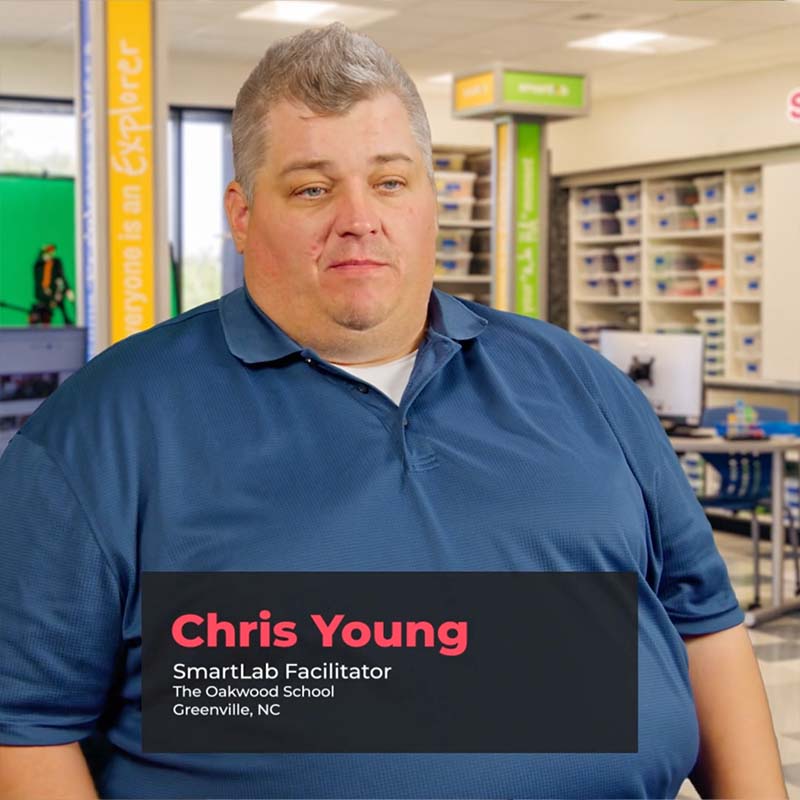
“In our SmartLab, students become empowered and engaged as they use critical thinking, curiosity, and collaboration to apply content standards. I have yet to meet a student who doesn’t love this class or
benefit from this connected approach to learning.”
 Video
Video
Ready to start planning your SmartLab?
We’re excited to hear from you. Let’s change the way your students engage with math and science–in and outside the classroom.