Student engagement is at levels I have never seen in my 23 years of teaching. Students love the lab and are constantly asking if they can come down in their free time to continue working with Ukits, or Engino, etc. I’ve never been busier as a teacher, but also have never had more fun. It’s encouraged me to gladly take work home and get more proficient in areas such as coding and circuitry. I see myself as a lifelong learner, and this lab not only meets the needs of my students but also fulfills my own growth as a facilitator and person. I appreciate my administration for investing in this lab and appreciate SmartLab for offering such an incredible product!!!

Construction and Architecture
The Construction and Architecture career pathway is undergoing significant transformation due to advancements in technology, sustainability demands, and innovative design processes. The future of this industry will be shaped by emerging trends such as green building, the integration of smart technologies, and the increasing use of automation and robotics. A background in STEM (Science, Technology, Engineering, and Mathematics) is becoming increasingly critical for individuals entering this field as the industry moves towards more advanced, efficient, and sustainable practices.
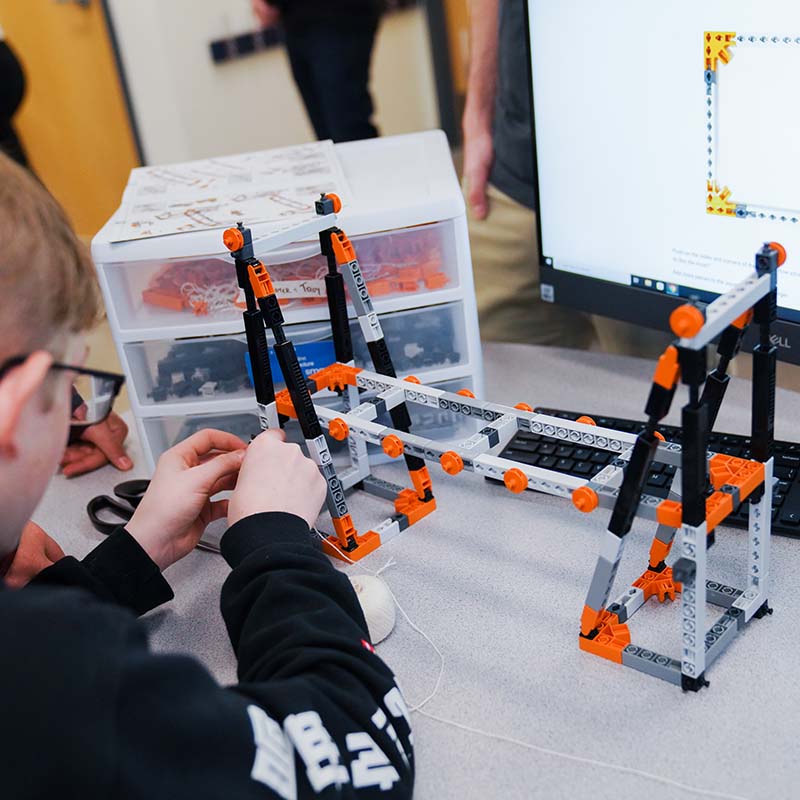
Early exposure to the Construction and Architecture career pathway benefits students
Introducing elementary students to industry pathways, particularly Construction and Architecture, at an early age is crucial for several reasons. Here are some key points to emphasize the importance of early exposure to the Construction and Architecture career pathway and how it can impact students:
Enhancing Problem-Solving and Design Thinking
Construction and architecture are industries centered around solving practical challenges. By learning about this field early, students are exposed to design thinking—a problem-solving approach that encourages them to empathize with users, think critically, and innovate. Whether it’s designing a safe, functional building or constructing an eco-friendly home, students learn to approach problems creatively and strategically.
Hands-On Learning and Real-World Applications
Construction and architecture give students tangible, hands-on experiences with real-world applications of math, geometry, physics, and engineering. Learning through these disciplines allows students to see how classroom lessons translate into structures and designs that impact their everyday lives. They gain confidence as they manipulate materials, explore 3D models, and work with tools, connecting theory with practice.
Introducing STEM Concepts
Architecture and construction careers integrate core STEM (Science, Technology, Engineering, and Math) principles. From calculating structural load to drafting blueprints or using computer-aided design (CAD) software, students can explore the interconnectedness of these subjects in an engaging, practical way. Early exposure can also inspire students to pursue STEM-related subjects, especially for those who enjoy applying their knowledge to physical projects.
Understanding the Importance of Sustainability
Modern construction and architecture emphasize sustainability, energy efficiency, and green building techniques. Teaching students early about sustainable building practices, renewable energy sources, and eco-friendly design solutions raises awareness of the environmental impact of construction. They learn to think about how buildings can be constructed in harmony with nature, using resources efficiently to create a healthier planet.
Developing Collaboration and Teamwork Skills
Construction projects require collaboration between architects, engineers, builders, and various other professionals. By participating in group projects that mimic the design-build process, students learn the importance of teamwork, communication, and coordinating efforts to achieve a common goal. These are essential life skills that extend beyond the construction field.
Creating a Sense of Ownership and Community Impact
Architecture and construction directly shape the world around us, from city skylines to neighborhood parks. Students who explore this field at a young age gain a sense of responsibility and ownership over the spaces they inhabit. They also begin to understand how the built environment can positively impact communities, making spaces safer, more inclusive, and more functional.

in Construction and Architecture
Exposing elementary students to the Construction and Architecture industry pathway helps them develop critical skills like problem-solving, creativity, and collaboration while introducing them to a wide range of careers that combine art, science, and engineering. They learn how the spaces we live and work in are thoughtfully designed and constructed, with attention to sustainability and community impact. By giving students early access to this pathway, we inspire future architects, engineers, builders, and designers who will shape the world around them.
Key skills built through STEM with the
Construction and Architecture career pathway
STEM education teaches students to analyze data, conduct experiments, and solve complex problems—skills that are critical for optimizing resource use, improving crop yields, and developing sustainable energy systems.
Problem-Solving and Critical Thinking
STEM education encourages problem-solving and critical thinking, essential for overcoming design challenges, optimizing construction processes, and ensuring buildings meet safety standards
Technical Expertise
Proficiency in technologies like BIM, CAD, and smart systems is vital. STEM education ensures future professionals are equipped to handle these tools and the data they produce.
Innovation and Adaptability
STEM fields foster creativity and innovation, allowing professionals to design sustainable and cutting-edge structures. The ability to adapt to new technologies like 3D printing, robotics, and green building materials is critical in a rapidly evolving industry.
Interdisciplinary Collaboration
The integration of multiple STEM disciplines in construction—engineering, computer science, environmental science—necessitates a collaborative approach. Future professionals will need to work across fields to solve complex challenges.
Hear from our happy clients.


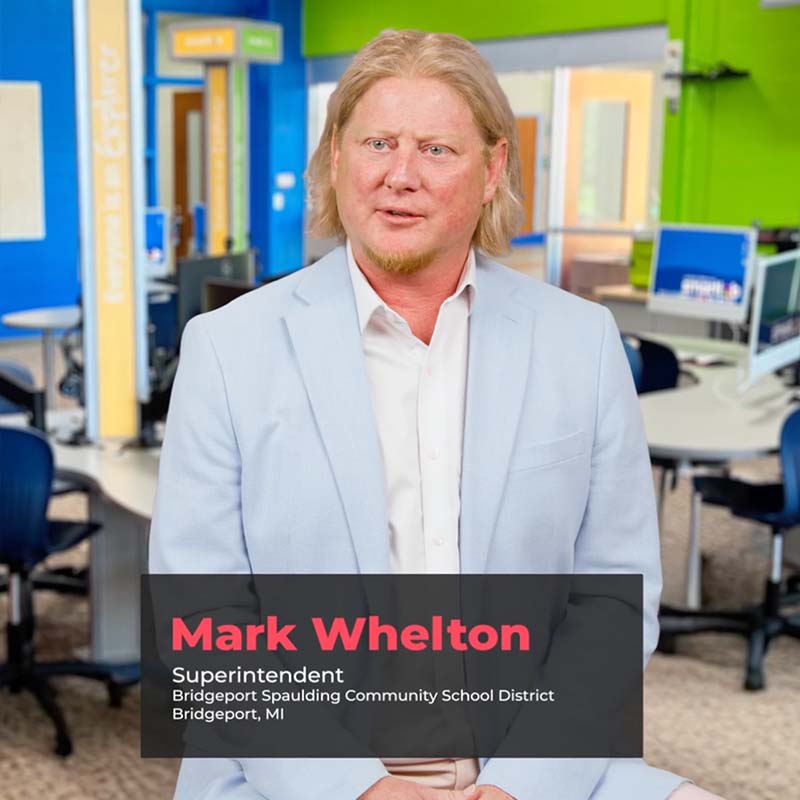
“SmartLab Learning’s turnkey solutions allowed us to move quickly to implement a district-wide STEM program…the SmartLab Learning solutions plus the professional development allowed our students to be actively engaged in project-based learning immediately.”

“We are able to work with our students to get them career and college ready, and we do that K-12. SmartLabs help by getting students’ hands on projects and activities, getting them working with partners in the classroom, and getting them building something they would’ve never have imagined they could build…it’s actually shown our community what our students are capable of.”

“In our SmartLab, students become empowered and engaged as they use critical thinking, curiosity, and collaboration to apply content standards. I have yet to meet a student who doesn’t love this class or
benefit from this connected approach to learning.”

 Video
Video

Ready to start planning your SmartLab?
We’re excited to hear from you. Let’s change the way your students engage with math and science–in and outside the classroom.